3 Easy Summer Recipes to Pair With the HIIT Core Blast Program
A HIIT session breaks down muscle tissue and depletes glycogen fast. What you eat in the hours around that session determines whether your body actually rebuilds stronger or just stays fatigued. These three recipes are built around what a HIIT Core Blast session specifically demands: fast-absorbing protein post-session, electrolyte replacement after heavy sweat loss, and a practical dinner that doesn't require standing over a hot stove in summer heat.
1. Watermelon-Mint Recovery Cooler
HIIT intervals in summer heat cost you more than glycogen — you lose meaningful sodium and potassium through sweat. Watermelon is naturally high in both water content and potassium, which makes it a genuinely useful post-session base rather than just a refreshing taste.
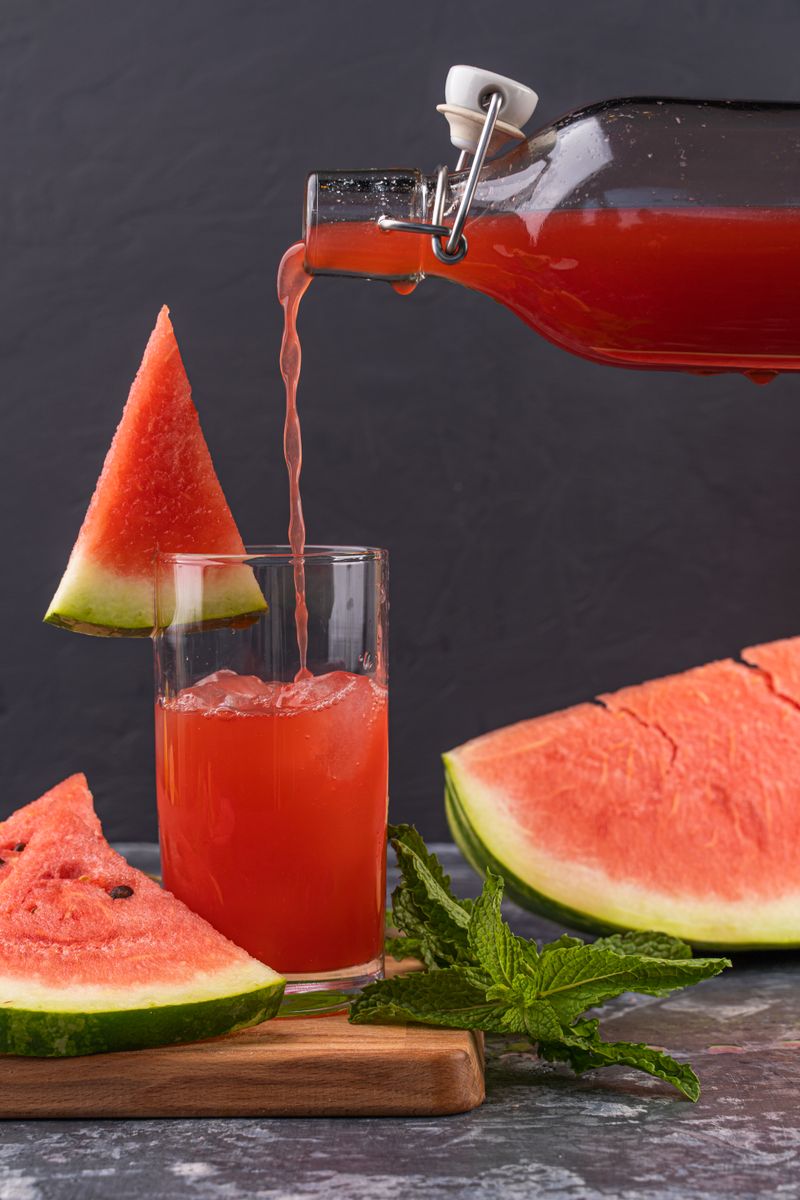
Watermelon-Mint Recovery Cooler
Serves 1 | Best within 30 minutes post-session
Ingredients: 2 cups cubed watermelon, 6 fresh mint leaves, 1 scoop vanilla or unflavoured whey protein, juice of half a lime, pinch of sea salt, 1 cup ice
Method: Blend the watermelon and mint first until fully liquid, then add the protein, lime juice, salt, and ice. Blend again until smooth. The salt isn't for taste — it's replacing what the session sweated out.
🛒 Recommended Protein: You can pick up our go-to Whey Protein Powder on Amazon (paid link) to use for this recipe.
2. Greek Yogurt Berry Protein Bowl
This is the fastest-absorbing option on this list — useful specifically because the first 60 minutes after a HIIT session is when muscle is most receptive to rebuilding. No cooking, no heat, ready in under 3 minutes.

Greek Yogurt Berry Protein Bowl
Serves 1 | Best within 60 minutes post-session
Ingredients: 200g plain Greek yogurt (full or low fat), 1/2 cup mixed berries, 1 tablespoon honey, 1 tablespoon chia seeds, small handful of granola
Method: Layer the yogurt, berries, and granola in a bowl. Drizzle honey over the top and finish with chia seeds. Greek yogurt's protein content is mostly casein and whey combined, which covers both the fast and slower-digesting protein needs in one bowl.
3. Grilled Lemon-Herb Chicken and Charred Corn Bowl
The practical dinner option — high protein, genuinely easy in summer because the grill keeps heat out of the kitchen, and it scales easily if you're meal-prepping for multiple HIIT Core Blast sessions in the same week.

Grilled Lemon-Herb Chicken and Charred Corn Bowl
Serves 2 | Dinner, or post-session meal if trained in the evening
Ingredients: 2 chicken breasts, 2 corn cobs, juice of 1 lemon, 2 tablespoons olive oil, 1 teaspoon dried oregano, 2 garlic cloves (minced), 2 cups mixed greens, 1/2 cup cherry tomatoes halved, salt and pepper
Method: Mix lemon juice, olive oil, oregano, garlic, salt, and pepper. Coat the chicken and let sit 15 minutes minimum while you heat the grill. Grill the chicken 6-7 minutes per side until cooked through, and grill the corn alongside, turning occasionally, until lightly charred. Slice the chicken, cut the corn off the cob, and build the bowl over the mixed greens with cherry tomatoes.
FormForge content is for educational purposes only. Recipes are original FormForge creations and are not reproductions of any commercial cookbook or guide. Consult a qualified nutrition professional for advice specific to your situation. As an Amazon Associate, this site earns from qualifying purchases via links marked (paid link).
Comments
Post a Comment